


servicesStructural Waterproofing

Advanced structural waterproofing solutions

Protecting structures from water, before it becomes damage

Water is one of the main causes of structural deterioration within concrete buildings and car parks. It passes through cracks, penetrates joints and gradually reaches embedded reinforcement and structural steel. Over time, that moisture contributes to freeze-thaw damage, chloride contamination and corrosion, all of which reduce service life and increase maintenance costs.

Our waterproofing systems are designed to protect the structure itself rather than simply improve the surface appearance. Systems are selected to control water ingress at source and provide long-term protection to concrete assets including multi-storey car parks, podium decks, basements and exposed slabs.

The objective is to prevent water reaching vulnerable structural elements, reduce ongoing deterioration and maintain the structure in a safe and serviceable condition over the long term.

  • Where We Work

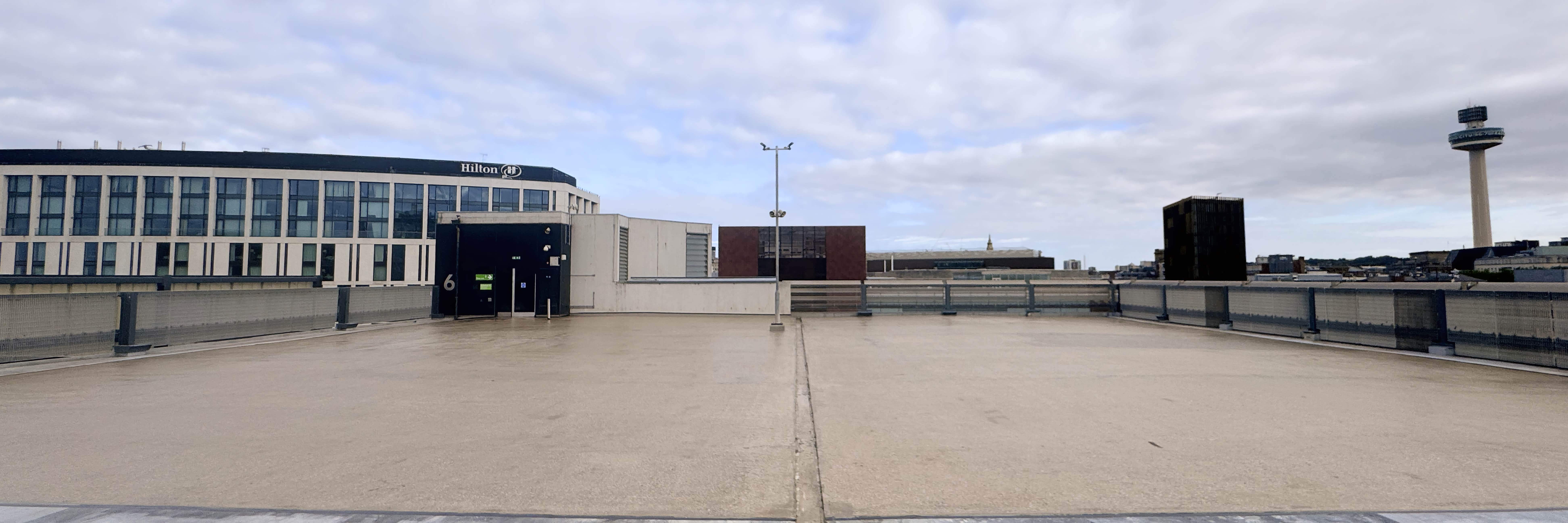
  • Top deck car parks

  • Podium slabs and amenity decks

  • External ramps and exposed walkways

  • Concrete basements and plant rooms

  • Waterproof render systems for structural walls

Waterproofing systems designed around the structure

Effective waterproofing starts with understanding how a structure behaves in service. Movement, loading, exposure conditions and water pressure all influence how a waterproofing system performs over time. A top-deck car park exposed directly to weather conditions behaves very differently to a basement slab subject to hydrostatic pressure.

We install liquid-applied waterproofing membranes, crack-bridging systems and damp-proof barriers designed to provide continuous protection across the structure. These systems are selected to remain flexible under movement while maintaining watertight performance over the long term.

Particular attention is given to detailing around joints, penetrations, upstands and interfaces between different materials and structural elements. These locations are typically the most vulnerable points within any waterproofing system and require careful preparation and installation to achieve reliable long-term performance.

Waterproofing systems are selected to suit the structure, exposure conditions and required design life of the asset. Where deterioration or structural defects are present, repair works are carried out before waterproofing is applied so the protection system is installed onto a sound and stable substrate.

  • Our Process

  • Initial Assessment

    We start with a thorough substrate inspection, moisture testing, and detailing of vulnerable areas. This ensures our waterproofing solution is tailored precisely to your structure’s condition and use.

  • System Selection

    We work with industry-leading manufacturers such as Sika, Triflex, and PCP Europe to specify waterproofing systems that suit your structure, whether it’s a podium, top deck, ramp, or below-ground space. All systems comply with BS 8102, BS EN 1504, and relevant local design codes.

  • Application

    We install liquid-applied waterproofing membranes, crack-bridging systems, and damp-proof barriers, using fast-curing MMA, polyurethane, or hybrid resins depending on the structure and access limitations. We also offer coatings that provide skid resistance and UV stability.

  • Details & Interfaces

    Critical interfaces — such as upstands, joints, and penetrations — are detailed using reinforced banding or flexible sealants to ensure continuous, defect-free protection.

Where waterproofing makes the biggest difference

Every project begins with an assessment of the structure and the source of water ingress. Waterproofing strategies are developed around the actual cause of the problem rather than assumptions based on visible symptoms alone. Systems are then selected to suit the exposure conditions, operational constraints and long-term performance requirements of the structure.

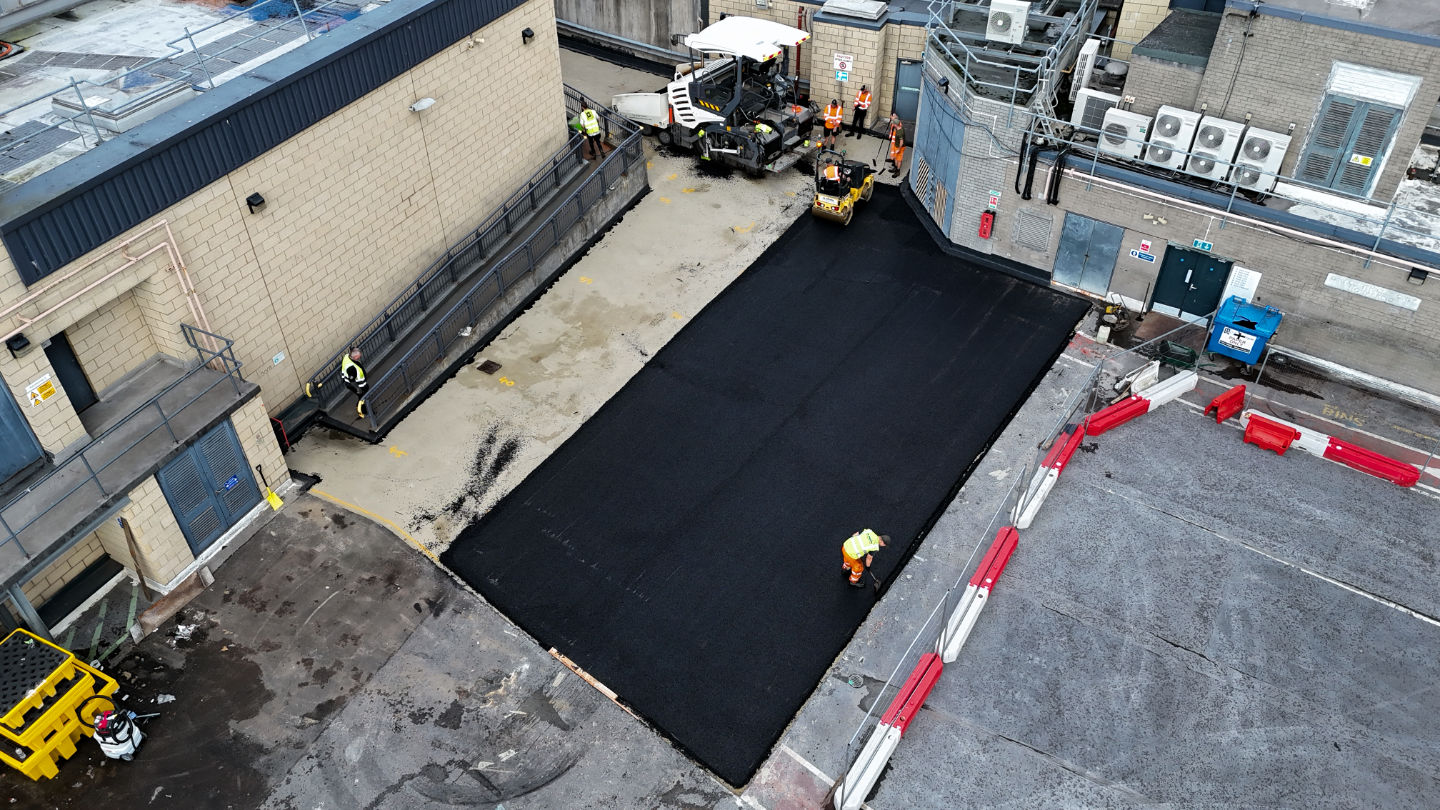
Installation is carried out by trained operatives with close attention given to substrate preparation, detailing and curing requirements. Interfaces, penetrations and movement areas are reinforced where required, and application stages are controlled to maintain continuity throughout the system. Where access or operational downtime is limited, rapid-curing systems can be used to return areas to service within restricted programme windows.

The objective is to install waterproofing systems that operate as part of the structure itself, providing long-term protection rather than acting as a short-term surface treatment.

  • Why Choose H3 Construct?

  • Specialist installers of Sika, Triflex, and PCP waterproofing systems

  • Fast-curing systems to minimise downtime

  • Technical support from survey to installation

  • Long-term protection with warranty-backed systems

  • Trusted by clients including Q-Park, Landsec, and The EV Network

Talk to H3 Construct today on 01204 358176 about your project needs or drop us a message

Drop us a message